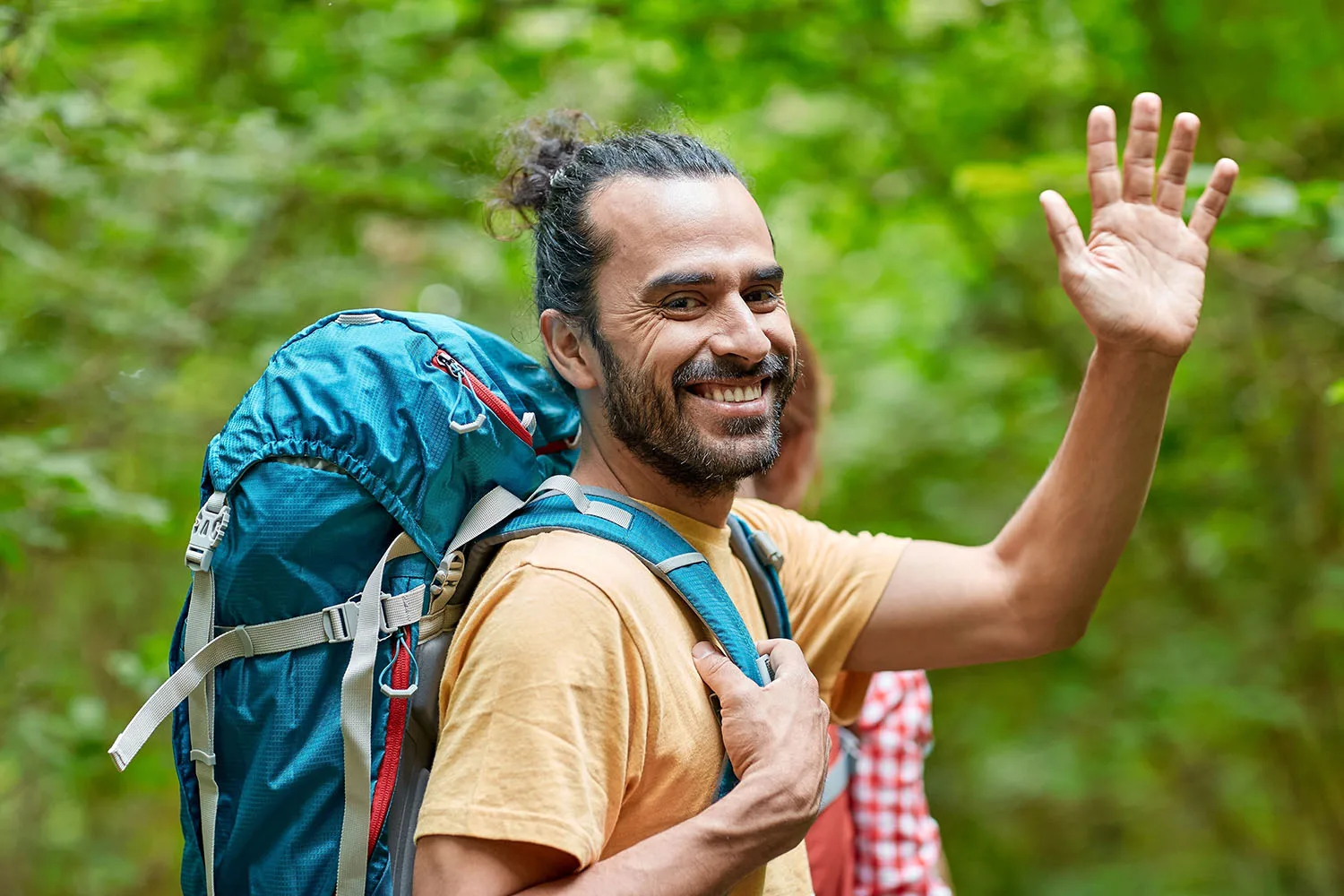
How to prepare for a minimal impact bushwalk
Failing to plan is planning to fail.
— Allen Lakein
If there has been good planning and preparation put into a bushwalking trip, the group can cope with unexpected situations or conditions and complete the walk safely and with minimal impact. Groups that are unprepared tend to resort to solutions that have high-impact on natural areas. For instance, a group that’s caught out in the wet and cold may justify cutting down tree branches for shelter, but a simple weather forecast check and route alteration could have prevented it. A well-prepared group can deal with unexpected challenges in a low-impact fashion.
When planning and preparing for a bushwalk, think about what kind of information and gear the group needs to be safe and have minimal impact:
Bring all gear the group will need, including backups in case anything breaks (e.g. shoe laces). This way, the group can deal with most unexpected events in a minimal impact fashion.
Make sure the gear is appropriate for the trip grade and conditions. For instance, a cheap plastic poncho is likely to get shredded on passing branches spreading traces of plastic rubbish throughout the bush. Much better to use a rain-jacket designed for bushwalking.
Plan ahead to avoid some basic glitches such as track closures or miserable weather conditions. Check for:
- Public transport disruptions: e.g. [train trackwork](http://www.sydneytrains.info/).
Track closures (e.g. National Parks activities or extreme weather conditions).