Everything you need to know about inner sheets
“People who say they sleep like a baby usually don’t have one.”
— Leo J Burke
Bushwalkers use inner sheets (sometimes called ‘liners’) to provide a protective layer between them and their sleeping bag and add extra warmth. The insulating properties of a sleeping bag decrease significantly if the bag gets dirty, particularly with body sweat.
Sleeping bag inners reduce the amount of dirt, mud and sweat getting onto the sleeping bag and can also increase insulation by as much as 5℃. They are usually reasonably lightweight can be easily cleaned at the end of a trip because they are a separate easily machine-washable item.
Carrying an inner sheet increases your sleeping options. On hot nights, just use the inner sheet. On cool nights, use both inner sheet and sleeping bag. On in between nights you might sleep in your inner sheet with your sleeping bag unzipped. Back home, clean the inner sheet, and you’ve instantly got a fresh clean sleeping area again!
When packing your inner sheet, make sure it is clean and dry, and check for wear and tear on the fabric, including thin parts or tears.
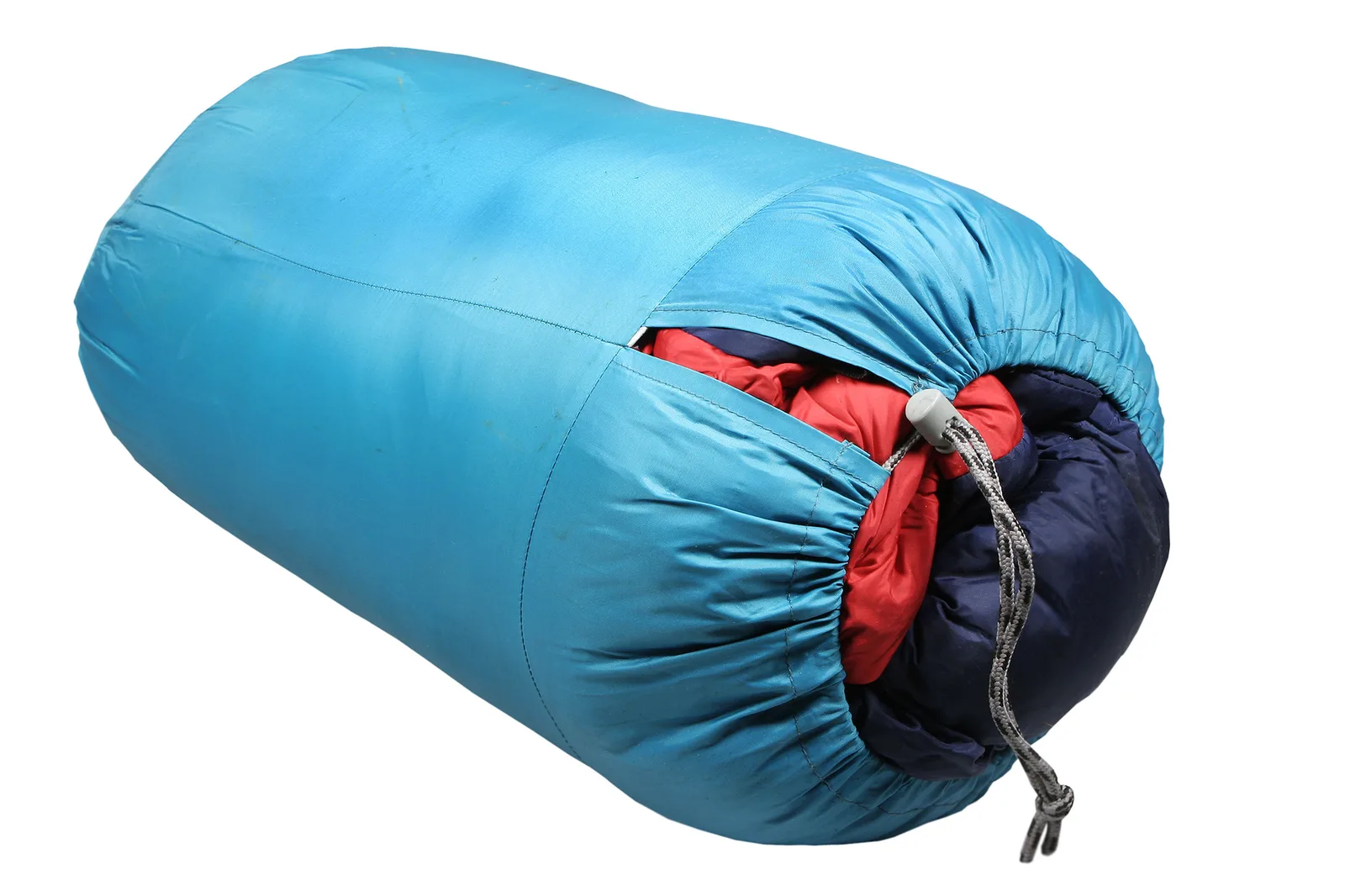
A great way of saving space is to pack your inner sheet inside your sleeping bag and compression bag.
If you can’t find your inner sheet, an alternative is to carry a change of clean long-sleeved clothes (e.g. thermals) that you can sleep in. This is a reasonable replacement for an inner sheet and prevents your sleeping bag getting too wet. Just be mindful that tight fitting clothes are not always a good idea when sleeping.
Caring for your inner sheet in the field is similar to caring for your sleeping bag - treat it gently, avoid using on sharp surfaces. Air your inner sheet out each morning before packing away. At bedtime, climb into your inner sheet then slide your sleeping bag around you.
The two main properties of a sleeping bag inner sheets to think through are the material and the shape.
Shape
Sleeping bag inner sheets generally come in two forms - mummy shaped or rectangular/barrel.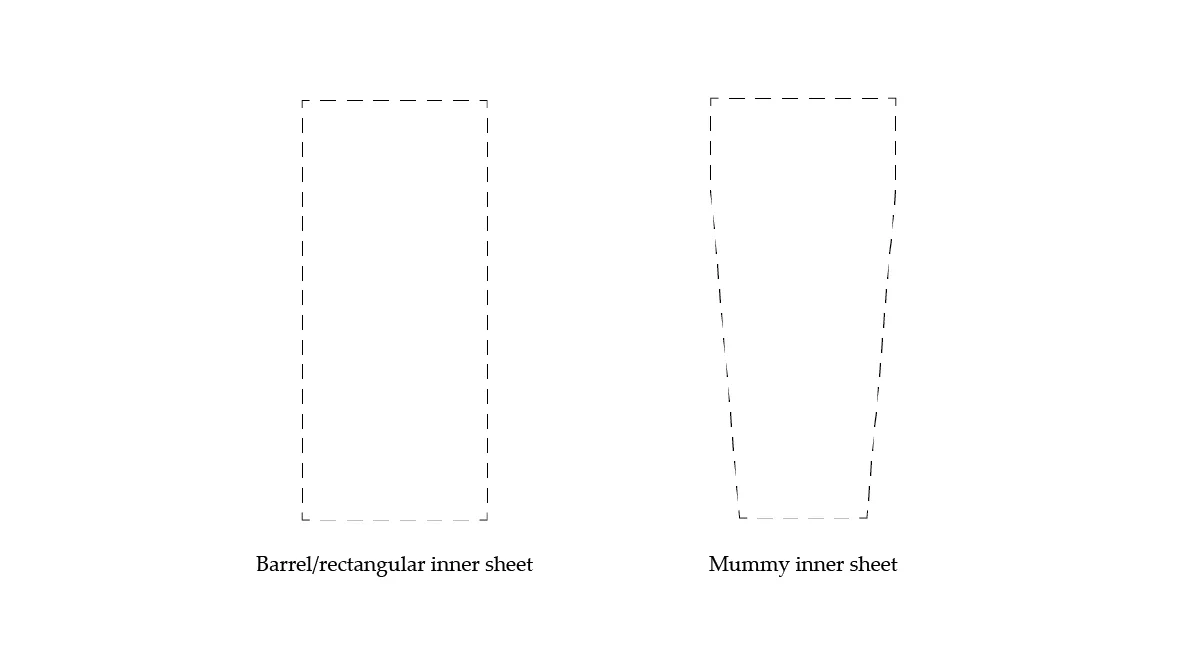
‘Rectangular’ or ‘barrel’ shaped inner sheets are the most common shape. They are broad, leaving plenty of room for you to get in and out, and also move around in your sleep.
‘Mummy’ shaped inner sheets fit the human body shape well and generally feel tighter than rectangular inner sheets. They use less material than rectangular inner sheets and are therefore lighter. Mummy shaped inner sheets can sit neatly into mummy shaped sleeping bag.
Material
The main materials to choose from are synthetic polyester and spandex, natural fibres such as silk or cotton and fleece material.
| Material | Image/examples | Pros | Cons | Approximate Price
| ($ - cheap; $$- moderate; $$$ - expensive) | ||||
|---|---|---|---|---|
| Synthetic polyester and spandex | Kathmandu Sleeping Bag Liner Thermal | |||
| Sea To Summit Expander Sleeping Bag Liner - Long | Moisture-wicking and breathable. Stretchy, comfortable material. | Not made from natural fibres. | $$ | |
| Silk | Sea to SummitSilk Travel Liner - Rectangular | |||
| Mont Silk Inner Sheet Standard | Lightweight and compact. Absorbent and breathable. Feels nice on skin. Quick drying. | Pricey | $$$ | |
| Cotton | Denali Travel Liner White Envelope | |||
| Single cotton inner sheets-yha - pillow slip | Durable and strong. Cheap. Feels nice on the skin. | Heavy and bulky. |
Does not insulate as well as other materials.
If inner sheet gets wet, cotton takes a long time to dry out and is not an effective insulator when damp. | $ |
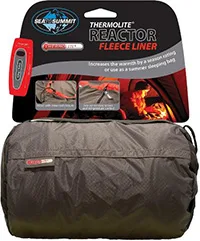
| Fleece | Sea to Summit Thermolite Reactor Fleece Liner - Regular
Stratus Fleece Sleeping Bag Liner (10°) | Very warm; feels nice and soft on the skin | Hard to use by itself on a hot night because it is so warm.
Material is bulky and heavy, so takes up a lot of weight and volume in backpack. | $ |
Insect repellant
Some inner sheets come with inbuilt insect repellent for protection. Worth checking out if using open shelter designs such as a tarp without a mosquito net.
Extra features
- Zips
Zips are an uncommon feature on inner sheets as they tend to add significant weight to an already lightweight item. Most sleeping bag materials tend to breathe well (and wick moisture away from the skin), so ventilation isn’t usually an issue.
The exception is for this are those thicker inner sheets that can double as a summer sleeping bag. For example, Sea to Summit Reactor Fleece: